
Outboards and Galvanic Corrosion:
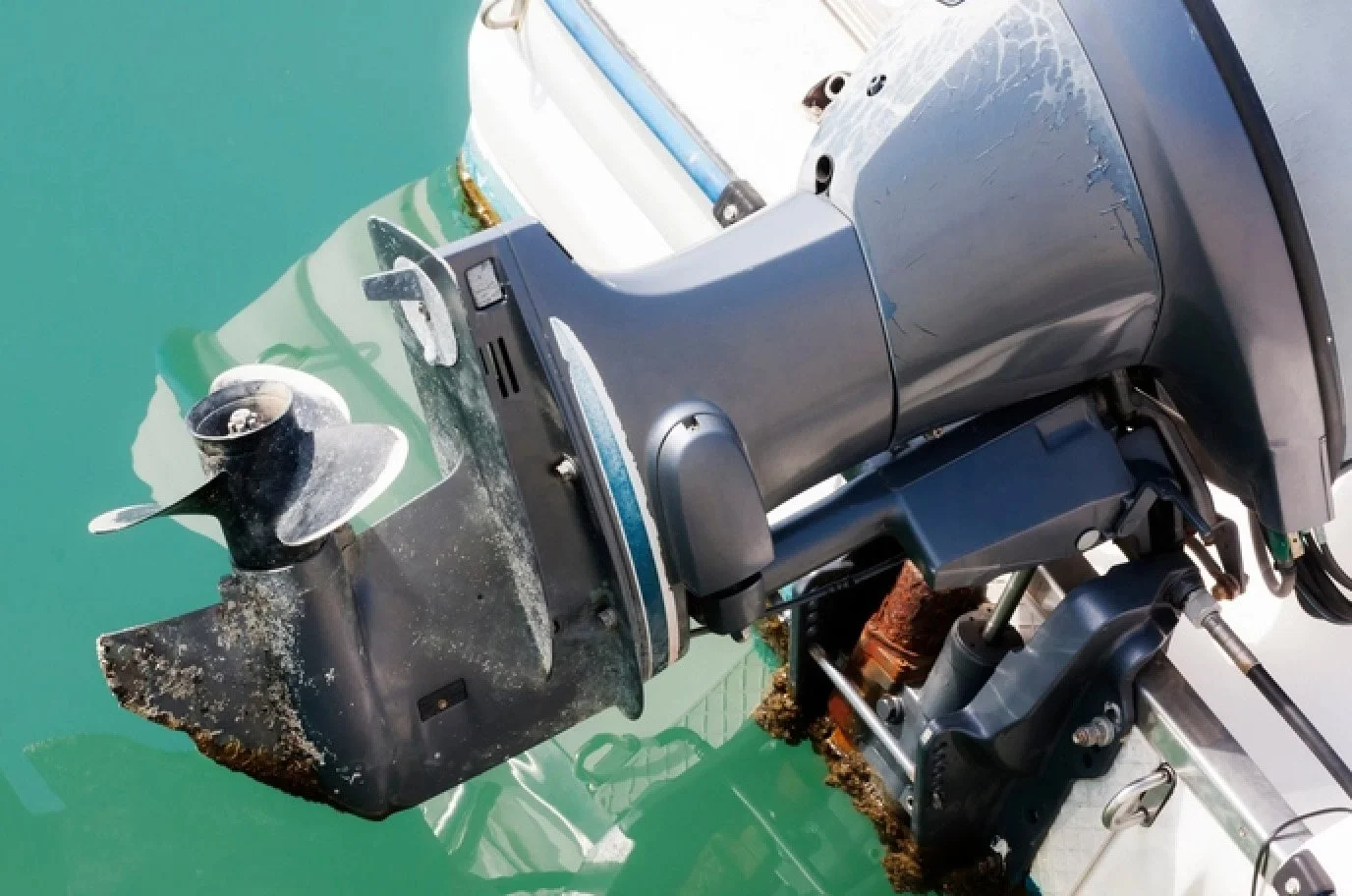
Outboard Boats are not immune to galvanic corrosion. If you boat lives in the water or is in it for long periods of time it is worth keeping this in mind. Even trailer boats are not completely immune. Here are a few notes and tips to keep you wise.
Galvanic corrosion occurs when two different metals are submerged in saltwater, creating a natural electrical circuit that causes the more reactive metal, hopefully ‘the anode’, to waste away in order to protect your boat's hull and vital underwater components.
What look for:-
If you notice the anodes are disappearing faster than normal (or not disappearing at all but the metal around shows symptions) or there is pitting in the propellor, hull or metal fixtures.
Pro Tips from AOW and HMB Marine Electrical to avoid galvanic issues.
Use OEM Anodes: Stick to the manufacturer-recommended anodes (Honda, Mercury, Yamaha, etc.). They are specifically engineered for the specific metal alloys in your motor.
Never Mix Metals: Don’t mix zinc and aluminum anodes on the same motor. It’s like putting diesel in a petrol ute—it just doesn't work.
Watch the Bilge: For trailer boats, keep the bilge bone-dry. Saltwater reacting with loose screws or coins in an aluminum hull can cause "pitting" from the inside out.
If you boat lives in the water of is in it for long periods of time book a galvanic test with our marine electricians. This will show up any stray current or potential issues and should be done annually.
Inspect Anodes: If they're more than 50% gone, replace them now.
Wash Down: Use fresh water and products like Salt-Away after every use.
Check Your "Isolator": If you're on a marina and attached to shore power, make sure you have a galvanic isolator installed.